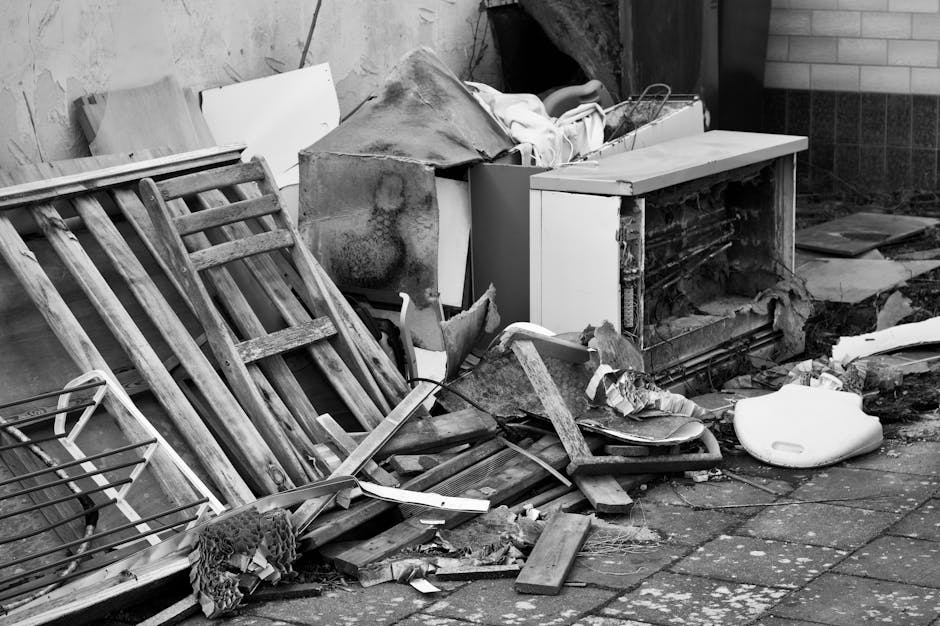
Chase Side House Clearance and Rubbish Collection in Southgate
If you are dealing with a cluttered home, a tired loft, a garage full of mystery boxes, or a pile of mixed rubbish that needs shifting quickly, Chase Side house clearance and rubbish collection in Southgate can feel like a proper relief. The job is rarely just "take this away" - there is sorting, lifting, access issues, recycling decisions, and sometimes a bit of emotional weight too. This guide walks you through what to expect, how the process works, and how to choose the right route for your property, budget, and timeline.
Whether you are clearing a flat after a move, getting a property ready for sale, or simply reclaiming space from things you no longer need, the aim is the same: a safer, cleaner space without the hassle. Along the way, you will also see when house clearance services, rubbish removal, skip hire, or grab hire make the most sense.
Table of Contents
- Why Chase Side house clearance and rubbish collection in Southgate Matters
- How Chase Side house clearance and rubbish collection in Southgate Works
- Key Benefits and Practical Advantages
- Who This Is For and When It Makes Sense
- Step-by-Step Guidance
- Expert Tips for Better Results
- Common Mistakes to Avoid
- Tools, Resources and Recommendations
- Law, Compliance, Standards, or Best Practice
- Options, Methods, or Comparison Table
- Case Study or Real-World Example
- Practical Checklist
- Conclusion
- Frequently Asked Questions
Why Chase Side house clearance and rubbish collection in Southgate Matters
Clearing a property is about more than making things look neat. In Chase Side and the wider Southgate area, space is valuable, access can be tight, and many homes contain a mix of furniture, general household waste, old appliances, garden waste, and items that need special handling. A well-run clearance removes the burden without creating a mess elsewhere - and that matters because the job can become stressful very quickly if it is not planned properly.
Think about the practical side first. Maybe a relative has moved into care, a landlord needs a property turned around, or builders have left a trail of packaging and broken materials after a small renovation. Maybe you simply opened the loft hatch one weekend and thought, oh dear. These jobs build up. They are awkward to do alone, and they are often more time-consuming than people expect.
Then there is the environmental side. The better providers do not just "tip and run". They separate reusable items where possible, divert recyclable materials, and treat restricted waste with care. If sustainability matters to you, it should matter in the disposal process too. You can see how this fits into broader service standards on the site's recycling and sustainability page.
For many households, the real value is peace of mind. There is a difference between being surrounded by clutter and knowing the space is under control. That shift can be surprisingly emotional. One day the hallway feels like an obstacle course; the next, you can actually walk through without sidestepping old chairs and half-folded cardboard. Small thing? Maybe. But it makes life easier.
How Chase Side house clearance and rubbish collection in Southgate Works
In practice, the process is usually straightforward once you know what you need removed. A good clearance starts with a quick assessment of the waste type, access to the property, and how much labour will be involved. From there, the provider will recommend the most suitable method: full house clearance, one-off rubbish collection, a man and van collection, a skip, or a grab vehicle where access and volume make that the better option.
For smaller, mixed loads, a dedicated man and van style collection can be a sensible choice. For bulkier loads or heavy, awkward waste, grab hire services may be more efficient. If the waste is mainly domestic and you want to fill at your own pace, domestic skip hire can work well, provided there is space and, where necessary, a permit.
Here is the typical flow:
- You describe the items or send photos if requested.
- The provider identifies the likely clearance method and any restrictions.
- A quote is prepared based on volume, labour, access, and disposal type.
- A collection or clearance time is agreed.
- Items are removed, sorted, loaded, and taken for disposal or recycling.
- Any prohibited or hazardous items are flagged separately.
Sometimes the best option is not a full clearance at all, but a hybrid. For example, a homeowner might choose a skip for ongoing decluttering while arranging a separate pickup for a sofa, mattress, or appliance. That kind of mixed approach often saves hassle, especially if the property has limited access or a narrow front garden. It is not glamorous, but it works.
If you are dealing with a kitchen refit or a heavier household clear-out, you may also want to look at specialist help for fridge and appliance removal or mattress and sofa disposal. Those items are bulky, awkward, and, frankly, annoying to move on your own.
Key Benefits and Practical Advantages
People usually start with price or speed, but the real benefits go wider than that. The right clearance method saves time, reduces physical strain, and gives you a cleaner result than a rushed DIY effort. There is also less risk of injury, missed waste types, or accidental fly-tipping from using the wrong disposal route.
- Less disruption: A planned collection is quicker and easier to live around than a drawn-out DIY clear-out.
- Safer lifting and loading: Heavy furniture, broken units, and mixed rubbish can be awkward and unsafe to move without help.
- Cleaner end result: Professionals can separate useful, recyclable, and disposable items more efficiently.
- Better for access-limited homes: Southgate properties with tight driveways, limited parking, or shared access often benefit from the right collection method.
- Useful for deadlines: If you are selling, letting, renovating, or moving, timing matters a lot.
One thing people often overlook is how much energy a clearance saves. Not just muscle energy - decision fatigue too. When a house contains years of belongings, every item seems to demand an opinion. Keep it? Donate it? Bag it? Store it? Get rid of it? A structured service cuts through that muddle. That is no small benefit.
It also helps when you are balancing different waste streams. A job may include general rubbish, garden cuttings, broken furniture, old paperwork, and building leftovers. Instead of making multiple trips or guessing what goes where, you can work from one clear plan. That is where a broader waste service like waste recycling services becomes useful.
Who This Is For and When It Makes Sense
Chase Side house clearance and rubbish collection in Southgate suits a surprisingly wide range of people. It is not only for major renovations or property voids. Often, it is the smaller situations that create the most pressure.
- Homeowners clearing lofts, garages, spare rooms, sheds, or whole properties.
- Landlords preparing a rental between tenancies.
- Estate executors managing a property after a bereavement or family change.
- People moving home and reducing what they take with them.
- Builders and tradespeople dealing with domestic renovation waste.
- Small businesses with leftover office furniture, archive waste, or mixed items from a move.
It makes sense when the waste is too much for council bins, too awkward for a standard car, or too mixed for a simple one-off tidy. It also makes sense when you want the result done properly, not half-done over three weekends and a few sore backs later.
There is a local angle too. Southgate homes can vary a lot: period houses, compact terraces, maisonettes, flats above shops, and newer developments. Access changes the whole job. A clearance that would be easy on one street might be a pain on another. That is why choosing between house clearance, skip hire, wait and load, or rubbish removal should be based on the property, not just the waste pile.
If you are unsure whether your job is mainly clearance or mainly skip-based, it helps to speak to someone who can compare options honestly. The best outcome is usually not the fanciest one. It is the one that fits your property and your day.
Step-by-Step Guidance
Here is a simple way to approach a local clearance without overcomplicating it.
- Sort the waste into broad groups. Keep furniture, general rubbish, electrical items, garden waste, and anything potentially hazardous separate at first.
- Check access. Measure gate widths, stairways, and driveway space if the property is awkward. A quick check saves a lot of trouble later.
- Decide how hands-on you want to be. Do you want everything removed for you, or are you happy to load a skip yourself over a day or two?
- Identify restricted items. Paints, solvents, chemicals, fridges, and some electricals may need separate handling.
- Request a clear quote. Good pricing should reflect labour, waste volume, and disposal type rather than just a vague lump sum.
- Choose a service method. For example, a full house clearance, wait and load skip hire if you need a quick turnaround, or a grab lorry for bulky rubble and mixed waste.
- Prepare the property. Leave access clear, protect floors where needed, and keep valuables or important documents somewhere safe.
- Walk the job through at the start. A short conversation at the beginning often prevents misunderstandings later. It really does.
- Confirm what is taken away. Make sure you know whether mattresses, appliances, or confidential waste need separate arrangements.
For commercial or office-heavy jobs, you may need a different approach altogether. A small office strip-out, for example, can involve desks, filing cabinets, packaging, IT waste, and confidential paperwork. In that case, office clearance or confidential shredding may be more appropriate than a standard domestic collection.
Expert Tips for Better Results
A few small choices can make a clearance faster, cheaper, and less stressful. These are the sorts of details people only learn after a few jobs, or after making a slightly annoying mistake. Been there, done that.
- Photograph everything before you book. Pictures of the waste and access point help avoid guesswork.
- Be honest about volume. Underestimating waste size usually leads to delays or a revised price later.
- Separate reusable items early. If something can be sold, donated, or kept, remove it before the clearance team arrives.
- Think about timing. Early morning collections can be easier if parking is tight or neighbours are around.
- Ask how waste will be handled. Reuse and recycling should be part of the conversation, not an afterthought.
- Check whether a permit may be needed. If a skip goes on the road, permit rules may apply, so it is wise to look at skip hire permits or skip permits if your setup requires one.
One practical insight: the fastest job is usually the one where the client has already made the hard decisions. If you have sorted keep, donate, and remove piles before the team arrives, everything feels smoother. Less faffing, less back-and-forth, fewer "actually, maybe keep that chair" moments.
Another tip is to match the method to the waste. Garden material and soil are different from general household rubbish; rubble is different again. A dedicated service such as garden waste removal or builders waste removal can sometimes be more efficient than forcing everything into one generic disposal plan.
Common Mistakes to Avoid
Most clearance problems come from a handful of predictable mistakes. The good news is that they are easy to avoid once you know what to look for.
- Leaving the sorting until collection day. That creates stress and slows everything down.
- Choosing the wrong disposal method. A skip, grab hire, and man and van collection each suit different types of waste.
- Ignoring access constraints. A van or skip may not fit where you assumed it would.
- Mixing prohibited items with general waste. This can cause delays and extra charges.
- Forgetting about permits or parking restrictions. Especially relevant on busy London streets.
- Not checking the disposal policy. Responsible handling matters if you care about recycling and reuse, which most people do once it is explained clearly.
Sometimes the mistake is emotional rather than practical. People keep too much "just in case" because the item has a memory attached to it. Fair enough - that is human. But if the item has sat in the same corner for five years, perhaps it is already making its case.
For those tricky clear-outs involving fragile, sensitive, or valuable paperwork, it is worth looking at confidential shredding rather than dropping documents into the mixed rubbish pile. It is a small decision, but a smart one.
Tools, Resources and Recommendations
You do not need a huge toolkit for most house clearances, but a few basic items make a real difference. Think practical, not fancy.
- Heavy-duty bin bags or rubble sacks for smaller loose items
- Gloves with grip for lifting and sorting
- Tape, marker pens, and labels for keeping piles organised
- Dust sheets for protecting floors and bannisters
- A tape measure for checking access, furniture width, and skip space
- Torches for lofts, cupboards, and under-stair areas
- Containers or boxes for documents, keepsakes, and items to stay in the property
For service planning, a few pages on the site are especially useful. skip sizes and prices help if you are comparing volume-based disposal. what can go in a skip is essential if you are not sure about item restrictions. And if access is tight, enclosed and lockable skip hire can be worth considering for security or tidiness.
When the job is larger than expected, site clearance can be relevant too, especially for properties with outbuildings, overgrown sections, or mixed debris. It is not just for building sites. A lot of domestic jobs become "site-like" once you start peeling back the layers.
Law, Compliance, Standards, or Best Practice
Waste disposal in the UK should always be handled carefully and lawfully. You do not need to be an expert in regulations to make a good choice, but you do need to avoid careless disposal. Fly-tipping, improper handling of restricted items, and mixing hazardous waste into general loads can create problems that are avoidable from the outset.
Best practice is simple: use a provider that understands what should be recycled, what needs separating, and what must be handled under stricter controls. That is especially important for anything that may be classed as hazardous, such as some chemicals, paints, oils, or certain electrical items. If you suspect a waste item needs specialist care, check with the provider before loading it. Do not guess.
Insurance and safety also matter. Lifting heavy furniture through narrow hallways, handling broken glass, or removing bulky appliances can lead to damage or injury if rushed. That is why it is sensible to use a team that follows good on-site practice and has proper safeguards in place. You can review the company's approach to health and safety policy and insurance and safety information if you want extra reassurance.
If a collection involves locked paperwork, business records, or household documents with personal details on them, it is wise to treat them separately from ordinary waste. That is plain common sense, really. Not every bag needs to be opened twice.
Options, Methods, or Comparison Table
There is no single best method for every clearance. The right choice depends on the type of waste, how fast it needs to go, and how much access you have at the property.
| Method | Best for | Main advantage | Watch out for |
|---|---|---|---|
| House clearance | Whole-room or whole-property clear-outs | Hands-off and thorough | Needs clear scope and access |
| Rubbish removal | Mixed household waste, small clearances, quick tidy-ups | Fast and convenient | Can be less suitable for very large volumes |
| Skip hire | DIY clear-outs, ongoing projects, renovations | Flexible loading over time | May need a permit and space |
| Wait and load skip hire | Short, scheduled collections where a skip cannot stay put | Useful in tight access areas | Needs efficient loading |
| Grab hire | Bulky, heavy, or loose waste such as rubble and garden spoil | Good for larger volumes and quicker removal | Access still needs checking |
| Man and van | Smaller loads, mixed items, flexible pickup | Simple and adaptable | Less ideal for very heavy, loose waste |
If you are comparing methods for a domestic project, the simplest rule is this: choose skip hire if you want to load over time, grab hire if you need a fast bulk lift, and man and van if the job is mixed and smaller. If the property is occupied or the contents are sensitive, a full house clearance is often the cleanest route.
For trade jobs, the picture changes a bit. Builders and refurb teams may be better served by builders skip hire or construction waste disposal, while demolition-heavy work may need demolition waste removal or even muck away services.
Case Study or Real-World Example
Imagine a Southgate terraced house with a loft that has been used for storage for years. There are old suitcases, broken fans, boxes of books, a dismantled wardrobe, and two mattresses that have no business staying there any longer. The owners also have a narrow frontage and limited parking. A skip would be awkward, and the family does not want a drawn-out project. A quick collection makes more sense.
In that kind of situation, the job is usually broken into three parts. First, the keep pile is separated from the remove pile. Second, the clearance team removes bulky furniture, general rubbish, and mattresses in one visit. Third, any reusable or recyclable material is sorted for the proper route. The result is a much calmer process than trying to wrestle it all through the house one bag at a time.
Now compare that with a small kitchen refurbishment in the same area. You may have packaging, old cabinets, tiles, and a few heavy items. There, a builder-focused option such as construction waste clearance or a suitable skip may be better than a general house clearance. Same postcode, different answer. That is the bit people sometimes miss.
The best provider will not push one method for every job. They will look at the volume, waste type, access, and urgency, then steer you toward the simplest workable solution.
Practical Checklist
Use this checklist before you book or start the clearance.
- Have I separated keep, donate, recycle, and remove piles?
- Do I know whether the load contains appliances, mattresses, or confidential paper?
- Is access clear for a van, lorry, or skip delivery?
- Have I checked whether the waste is mixed, bulky, heavy, or restricted?
- Do I need a permit if a skip is placed on the road?
- Have I compared pricing and quotes before deciding?
- Am I choosing between skip hire, grab hire, wait and load, or full clearance?
- Have I protected floors, walls, and door frames where needed?
- Do I know what must stay in the property?
- Have I planned the clearance time so it does not clash with other trades or a move-out deadline?
If you can tick most of those off, the job tends to feel much easier on the day. Not perfect, just easier. And easier is good.
Get a free quote today and see how much you can save.
Conclusion
Chase Side house clearance and rubbish collection in Southgate works best when it is matched to the property, the waste type, and the practical realities of the street or building. A flat with tight stairs is not the same as a house with drive access. A mixed domestic clear-out is not the same as a building waste job. Once you accept that, the rest becomes much more manageable.
The goal is not just to remove clutter. It is to create space, reduce stress, and handle waste in a responsible way. If you plan the job properly, ask the right questions, and choose the most suitable method, you will usually end up with a cleaner result and a far calmer day. Truth be told, that calm is often the real win.
And when the last bag is gone and the room finally feels breathable again, it is hard not to feel a bit lighter yourself.
Frequently Asked Questions
What is the difference between house clearance and rubbish collection?
House clearance usually involves removing a larger amount of household contents, often from rooms, lofts, garages, or entire properties. Rubbish collection is broader and can cover smaller mixed loads, bulky items, or one-off waste removal.
Do I need a skip for Chase Side house clearance and rubbish collection in Southgate?
Not always. A skip is useful if you want to load waste over time, but if access is tight or the job needs to be done quickly, a clearance or grab-style collection may be better.
Can you remove furniture, mattresses, and appliances together?
Often yes, but some items may need separate handling depending on their type and condition. For example, appliances and mattresses are commonly dealt with through dedicated removal services.
What happens to the waste after collection?
It is usually sorted for disposal, recycling, or special handling where needed. Responsible providers try to separate reusable and recyclable materials rather than sending everything to one place.
How do I know whether I need skip hire or rubbish removal?
If you want to load waste yourself over a period of time, skip hire may suit you. If you want the waste taken away for you in one visit, rubbish removal or house clearance is often the easier option.
Will I need a permit for a skip in Southgate?
If a skip is placed on a public road, a permit may be required. If the skip stays fully on private property, a permit may not be needed. It is always worth checking before you book.
What items are usually not suitable for a standard skip?
Hazardous materials, some chemicals, and certain restricted items often need separate arrangements. If you are unsure, it is better to ask before loading anything in.
How much time does a typical clearance take?
That depends on the size of the property, access, and how much sorting has already been done. A small collection may be quick, while a full house clearance can take longer and may need more than one visit.
Can I keep some items and have the rest removed?
Yes, and that is usually the best approach. Most people set aside keep items first, then let the clearance team remove only what is marked for disposal.
Is this suitable for landlords and estate agents?
Yes. It is often used between tenancies, before sales, after probate, or when a property needs to be prepared for viewings or refurbishment.
What should I do with confidential paperwork?
Keep it separate from general waste and use a dedicated confidential shredding option where appropriate. That is safer and cleaner than putting documents into mixed rubbish.
How can I keep costs under control?
Sort waste in advance, be accurate about volume, choose the right method for the job, and compare pricing before booking. A little preparation usually saves money and time.