Health and Safety Policy for Southgate Skip Hire
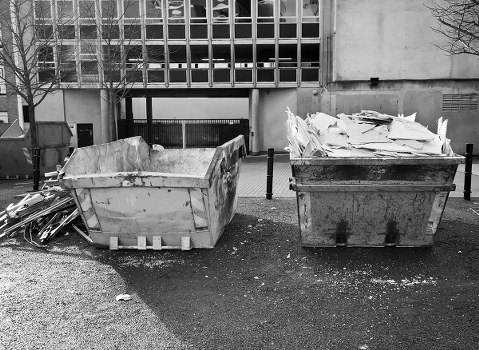 Purpose: This Health and Safety policy sets out the commitment of Southgate Skip Hire to provide a safe working environment for employees, contractors and members of the public while delivering skip hire and rubbish removal services across our service area. The aim is to prevent injury, illness and property damage by identifying hazards associated with skip hire, waste collection and transfer activities and by implementing controls that reduce risk to an acceptable level. This document outlines responsibilities, procedures and monitoring arrangements that underpin our approach to safe waste handling and rubbish collection.
Scope: The policy applies to all operations undertaken by the company including skip delivery, site-based loading, on-road transport, waste segregation and customer collections. It covers routine and non-routine tasks typical of a skip hire and rubbish collection business, and extends to contracted staff and visitors when on company premises or working on behalf of the business. All team members must adhere to the policy and cooperate with safety measures to ensure overall compliance and a culture of prevention.
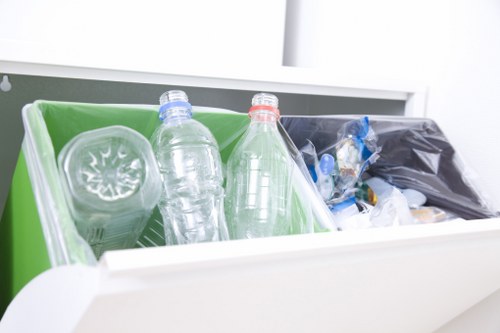 Responsibilities: Senior management retain overall responsibility for health and safety and will ensure adequate resources are provided. Supervisors and team leaders are responsible for implementing safe systems of work, carrying out risk assessments and ensuring staff receive appropriate supervision. Every employee has a duty to take reasonable care of their own health and safety, to use provided safety equipment and to report hazards or incidents promptly. Our expectation is that everyone contributes to maintaining a safe rubbish company operation.
Risk Assessment, Controls and Safe Working
We conduct and regularly review risk assessments for tasks such as skip placement, manual handling of waste, operation of lifting equipment and loading of vehicles. Controls include safe systems of work, segregation of hazardous materials, restricted access to live loading zones and the use of mechanical aids to reduce manual handling. Where residual risks remain, we will implement additional measures such as enhanced supervision, toolbox talks and temporary exclusion zones. The risk control process is designed to reflect the specific risks of a skip hire rubbish service area without relying on location-specific legal text.
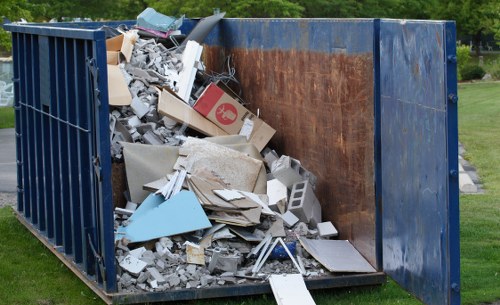 Personal Protective Equipment (PPE): Appropriate PPE must be provided and worn where required. This includes high-visibility clothing, gloves suitable for waste handling, safety boots, protective eyewear and respiratory protection where dust or fumes are present. PPE selection is task-based and records of provision and training are maintained. Employees are expected to care for issued PPE, report defects and replace items in line with company procedures.
Vehicle and Plant Safety: Vehicles and handling equipment are inspected regularly and maintained to a safe standard. Drivers must carry out pre-shift checks, ensure loads are secured and follow safe driving standards when operating within the waste removal service area and on public roads. Plant operators are trained and certificated where required, and all machinery is fitted with appropriate guards and emergency stop controls. Safe loading and unloading protocols are enforced to protect operatives and the public.
Operational Controls, Hazardous Waste and Emergency Response
Our operational controls include clear procedures for identifying and segregating hazardous materials. Staff are trained to recognize batteries, asbestos-containing materials, chemicals and other prohibited items that must not be placed in general skips. Where hazardous waste is encountered, operations will stop and management will be notified to arrange compliant removal or specialist handling. These protocols reduce the risk of contamination and injury and support the company’s duty to manage waste responsibly across the service area.
 Incident Reporting and Investigation: All accidents, near misses and unsafe conditions must be reported immediately. We maintain a documented reporting and investigation process to identify root causes and implement corrective actions. Lessons learned are communicated through team briefings and updates to risk assessments. This continual learning approach helps embed a proactive safety culture within our skip hire and rubbish removal operations.
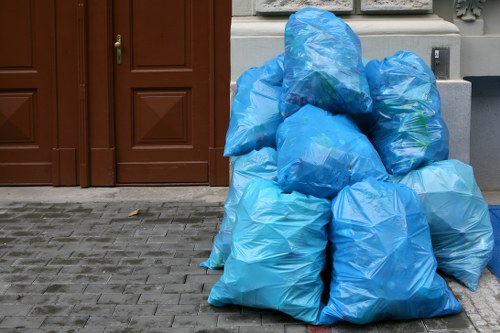 Training, Communication and Review: Effective training is essential; we provide induction, role-specific training and refresher courses to ensure competence. Safety information is communicated through meetings, written procedures and on-site briefings. Management will review this policy at least annually and sooner if there are significant changes to operations, equipment or legislation relevant to general waste and skip hire services. The review process ensures the policy remains current, practical and aligned with best practice.
Commitment: Southgate Skip Hire is committed to continuous improvement in health and safety performance. This includes setting measurable objectives, auditing compliance, and integrating safety considerations into business decision-making. We expect all personnel to play an active role in achieving safer outcomes for ourselves, our customers and the communities we serve within our rubbish collection and skip hire service area.
Key actions:
- Conduct regular risk assessments and update controls as operations change.
- Provide and maintain PPE and equipment appropriate for skip hire and waste handling tasks.
- Train and supervise staff to ensure competence and safe behaviour on site and on the road.
- Monitor and investigate incidents and near misses to prevent recurrence.
- Maintain vehicle and plant safety through inspection and planned maintenance.
Conclusion: This policy provides a clear framework to manage health and safety risks associated with skip hire, rubbish removal and associated transport activities. It represents the company’s commitment to protecting people, property and the environment. All employees and stakeholders share responsibility for implementing the policy and contributing to a safe, efficient and compliant waste management operation.