Grovelands Park bulky waste removal and garden rubbish Southgate: a practical local guide
If your garden has turned into a holding area for broken fencing, hedge cuttings, old plant pots, and the kind of bulky items that somehow never make it to the tip, you are not alone. Grovelands Park bulky waste removal and garden rubbish Southgate services are there for exactly this sort of mess: the awkward, heavy, too-much-for-one-car kind of waste that builds up after a clear-out, a tidy-up, or a bit of DIY that ran away with itself. The good news? It is usually simpler to deal with than people expect, once you know what to separate, what can be collected, and which disposal method fits the job.
This guide walks through the practical side of bulky waste and garden rubbish removal in Southgate, with a specific focus on homes and properties around Grovelands Park. You will find out how the process works, what to expect, common mistakes to avoid, and how to choose the right approach without overcomplicating it. Truth be told, that is often half the battle.
Why Grovelands Park bulky waste removal and garden rubbish Southgate matters
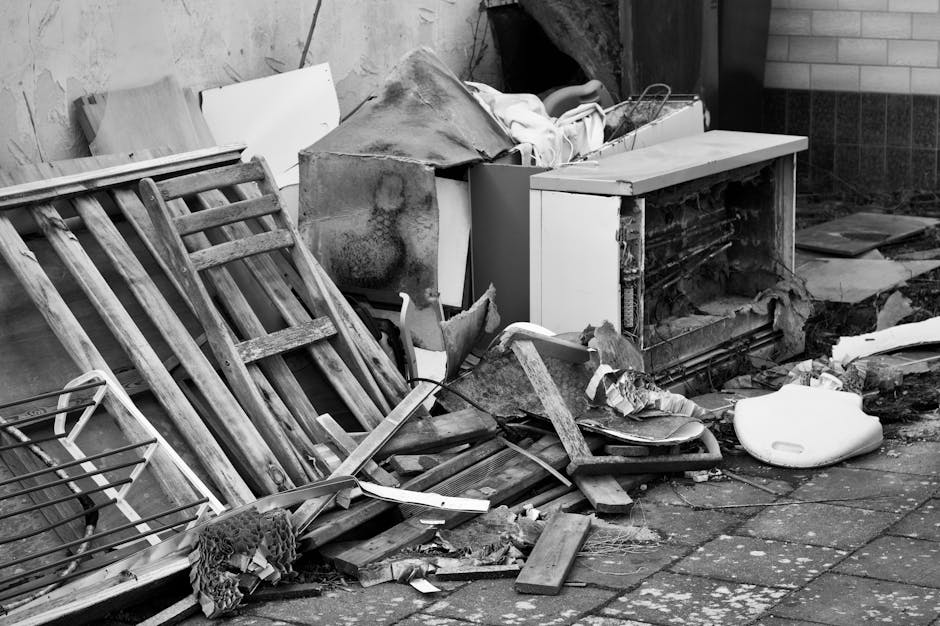
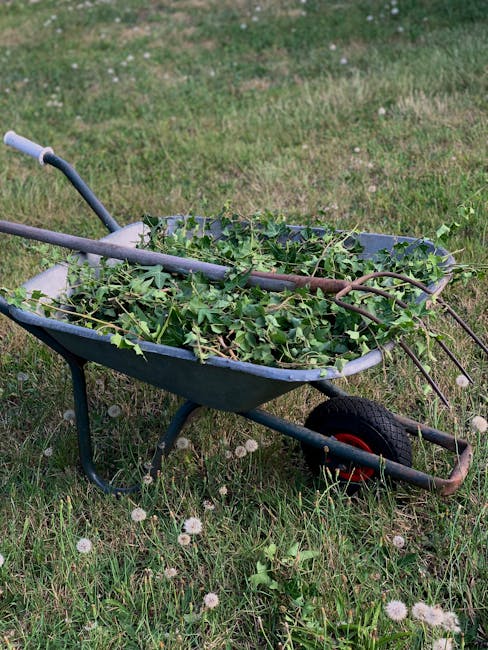
Bulky waste is the stuff that does not fit neatly into everyday bin collections. Think old chairs, damaged wardrobes, broken garden furniture, soil-filled tubs, branches, fence panels, shed leftovers, and the odd mattress that has been sitting under a tarp far too long. Garden rubbish is a little broader: grass cuttings, leaves, prunings, hedge trimmings, soil, turf, and mixed organic waste from seasonal maintenance.
In a place like Grovelands Park, where many households care about keeping outdoor space tidy and usable, waste can accumulate quickly after a weekend overhaul. One minute you are trimming a couple of shrubs; the next, you are staring at a small mountain of green waste and wondering where it all came from. Happens all the time.
Why does proper removal matter? Because leaving bulky items or mixed garden rubbish sitting around can create avoidable problems. It can attract pests, block access paths, become a trip hazard, and make a garden feel unfinished. It can also be harder to move later once it has soaked up rain, compacted, or started to break down. In practical terms, dealing with it early saves effort and stress later.
There is also the environmental side. Well-managed waste disposal is not just about getting rid of clutter; it is about sorting materials properly so recyclable green waste, reusable metals, and suitable rubble are handled responsibly. If sustainability matters to you, that should matter too. You can read more about the company approach to responsible handling through the recycling and sustainability page.
Expert summary: The best bulky waste jobs are the ones that start with sorting, not lifting. Separate green waste, bulky household items, and anything hazardous before collection day, and the whole process becomes faster, cleaner, and usually cheaper.
How Grovelands Park bulky waste removal and garden rubbish Southgate works
The exact method depends on volume, weight, access, and the type of waste involved. But in most cases the process follows a simple pattern: assess, sort, choose a removal method, load, and dispose responsibly.
For garden rubbish, this can mean a quick tidy after hedge cutting or a bigger clearance after landscaping. For bulky waste, it may involve moving large items out of a house, garage, shed, or front garden before collection. If access is tight, the method matters even more. Narrow side passages, front steps, and awkward terraced-house layouts can change the best option quite a bit.
A professional disposal service will usually ask what you need removed, how much there is, whether it is mixed with other waste, and whether anything needs special handling. That is not fussiness. It helps match the job to the right vehicle and labour level. For example, a simple garden clear-out may suit garden waste removal, while a heavier mixed load may be better handled by rubbish removal or grab hire services.
Sometimes skip-based solutions make more sense, especially if the work is ongoing over a few days. In that case, domestic skip hire can be useful, provided the space and access are suitable. If a skip cannot be left safely on the road or driveway, a wait and load skip hire arrangement may fit better.
And if the job is urgent? Well, that is where same-day skip hire can be handy, though availability always depends on timing and location. Real life is rarely perfect, after all.
Key benefits and practical advantages
Choosing a proper removal service for bulky waste and garden rubbish is not just about convenience. The practical benefits are usually more noticeable than people expect.
- Less lifting and less risk: Heavy bags, wet branches, broken sleepers, and worn-out furniture can be awkward or genuinely unsafe to move alone.
- Cleaner finish: A tidy garden or front drive is easier to enjoy, and easier to work in next time.
- Better sorting: Green waste can be separated from mixed rubbish, improving the chances of recycling or proper processing.
- Time saved: One collection can replace multiple trips to a disposal point.
- Useful for mixed projects: If you are clearing a shed, pruning trees, and chucking out old household junk in the same week, a flexible collection method is a relief.
There is also a less obvious benefit: momentum. Once the waste is gone, people tend to finish the rest of the job. A half-cleared garden looks like work; a fully cleared one feels like progress. Small thing, but it matters.
For customers comparing service types, it can help to look at the wider support options available, such as man and van for smaller mixed loads, or skip hire for larger projects that need an on-site container. If the load includes old appliances, there is also fridge and appliance removal, which is better than trying to squeeze white goods into a general collection and hoping for the best.
Who this is for and when it makes sense
This kind of service is useful for a wide range of people in Southgate, not just those doing a full garden makeover.
- Homeowners clearing seasonal garden waste or old outdoor furniture.
- Landlords preparing a property between tenancies.
- Tenants who need to leave a garden in decent condition before moving out.
- Families doing a post-winter clear-up or pre-summer refresh.
- DIYers who have ended up with offcuts, broken fencing, and leftover materials.
- People with limited access to a car or no practical way to haul waste themselves.
It also makes sense when the waste is simply too awkward for a standard council bin collection. Large branches, heavy bags of soil, dismantled sheds, or broken patio furniture can be a pain to move in stages. If you try to do it all in little bits, you often end up making three days of mess instead of one morning of progress.
There are times when it is worth choosing specialist support rather than a basic disposal option. For instance, if you are also clearing out a garage, loft, or outbuilding at the same time, the job can become broader than garden waste alone. In that case, garage and loft clearance or site clearance may be the better fit.
Step-by-step guidance
If you want the process to feel manageable, work through it in stages. A little planning goes a long way.
- Walk the site first. Look at what needs removing and note anything heavy, wet, sharp, or awkwardly shaped.
- Split the waste into categories. Keep green waste separate from general rubbish where you can. This helps with disposal and keeps the load cleaner.
- Check access. Think about gates, side passages, parking space, steps, and whether a vehicle can get close enough.
- Decide on the best method. For a single bulky item or small pile, mattress and sofa disposal or a smaller collection may do the job. For mixed or larger volumes, a skip or grab option may be more efficient.
- Remove any prohibited items. Hazardous materials need separate handling. Do not mix them in with general rubbish.
- Load safely. Put heavier items at the bottom where practical, and avoid overpacking bags or piling waste precariously.
- Book collection or delivery. If you need the waste gone fast, check availability and timing early in the day.
- Finish with a tidy sweep. Bits of twig, soil, and stray fixings are easy to miss. A final rake or broom pass makes a difference.
If you are unsure whether your waste is suitable for a skip, the what can go in a skip guide is worth checking before you book. That small step can prevent awkward surprises later. And yes, it is one of those jobs where five minutes of checking can save a headache.
Expert tips for better results
Here are the habits that tend to make the biggest difference in real-world garden and bulky waste clearances.
- Separate wet green waste from dry waste. Wet grass and soggy leaves weigh far more than people expect.
- Break down what you can. Flat-pack furniture, dismantled shelving, and cut-down branches are easier to load and often easier to transport.
- Keep clean materials cleaner. Soil, rubble, and mixed rubbish all behave differently once loaded. Mixing them can reduce recycling options.
- Think about volume, not just weight. A light but bulky load can take up more room than a heavy one. That affects the method you choose.
- Plan around weather. A bright morning is ideal, but even a damp afternoon is better than leaving wet waste out for days. London drizzle has a knack for making everything twice as miserable.
- Use the right service for the right waste. Green waste, household junk, builders' debris, and restricted materials should not all be treated the same way.
There is also a practical tip that people sometimes overlook: keep a small staging area near the exit point before collection day. A paved patch, driveway corner, or sheltered spot can save a lot of back-and-forth. If the waste is being removed from a rear garden, this becomes even more useful.
For larger or heavier jobs, it is worth comparing grab lorry hire with container-based solutions. Grab trucks can be especially useful where you have loose, bulky material and limited room for a skip. Different tool, different job. Simple as that.
Common mistakes to avoid
Most problems with bulky waste removal and garden rubbish come from the same handful of errors. None of them are dramatic on their own, but together they can slow everything down.
- Mixing everything together: Green waste, furniture, metal, and soil all in one pile makes sorting harder.
- Ignoring access restrictions: A collection vehicle cannot help much if it cannot safely reach the waste.
- Underestimating weight: Soil, rubble, wet turf, and damp branches are heavier than they look.
- Leaving prohibited items in the load: Hazardous waste should be handled separately through the proper route.
- Choosing the wrong disposal method: A tiny load does not need the same setup as a full garden clearance.
- Waiting too long: The longer waste sits, the more likely it is to become messy, compacted, or annoying to move.
Another common issue is forgetting about the future. If you are planning ongoing garden work, a one-off collection might not be enough. In that case, a garden waste removal service can be paired with skip sizes and prices information so you can choose a setup that matches the scale of the project.
Tools, resources and recommendations
You do not need a huge toolkit to prepare waste properly, but a few simple items make the job cleaner and less frustrating.
- Heavy-duty gloves
- Strong refuse sacks or builders' bags
- Pruning shears or loppers for cutting branches down to size
- A rake and stiff broom for final tidy-up
- A wheelbarrow or garden trolley for moving waste to the front of the property
- Basic dust sheet or tarp for keeping paths clean
As for service selection, think in terms of load type rather than just load size. Small mixed loads often suit man and van. Neater, ongoing domestic jobs may be better served by domestic skip hire. Heavier materials or loose rubble can point you toward grab hire services or grab lorry hire. It is less about what sounds impressive and more about what actually fits the job.
If your garden project is part of a bigger renovation, you may also want to look at builders waste removal or construction waste disposal. For larger strip-outs, demolition waste removal and construction waste clearance may be more appropriate.
Law, compliance, standards, and best practice
Waste removal in the UK is not something to treat casually. You do not need to become an expert in regulations just to clear a garden, but you do need to use sensible, lawful disposal methods.
At a practical level, that means waste should go to licensed and appropriate disposal or recycling channels, and hazardous materials should be separated and handled correctly. This matters for safety, environmental responsibility, and general common sense. If you are ever unsure whether an item is restricted, it is better to check before collection than after.
Best practice also means being careful with items that can cause contamination. Paint tins, oils, chemicals, gas bottles, and similar materials do not belong in standard garden waste or mixed bulky waste. The same caution applies to anything sharp, broken glass, or anything that might leak during transport.
For larger projects, it helps to use a provider that takes health and safety seriously. You can review the company's approach through health and safety policy and insurance and safety information. For business or privacy-sensitive jobs, confidential shredding is also available for paper-based disposal needs, though that is a separate stream from garden rubbish.
Permits are another point people overlook. If a skip needs to be placed on the public highway rather than private property, the relevant permit or permission may be needed. That is where skip hire permits and skip permits become relevant. It is best to confirm that before delivery day rather than standing there with a half-buried hedge and nowhere to put the container.
Options, methods, and comparison table
Different jobs need different solutions. Here is a simple comparison to help you think it through.
| Method | Best for | Strengths | Watch-outs |
|---|---|---|---|
| Garden waste removal | Green waste, hedge cuttings, branches, seasonal tidy-ups | Clean, direct, practical for organic material | Not ideal for mixed household junk |
| Rubbish removal | Mixed bulky items, general clutter, small clear-outs | Convenient and flexible | May cost more than a self-managed option for very large jobs |
| Skip hire | Ongoing projects, repeat loading, larger volumes | Good for phased clearing | Needs space and possibly a permit |
| Grab hire | Loose bulky waste, soil, rubble, large mixed piles | Fast loading, less manual handling | Access and vehicle positioning matter |
| Wait and load | Short, controlled loads where a skip cannot stay on-site | Handy for tight access or no-permit situations | Needs the waste ready when the vehicle arrives |
If you are still weighing up the options, skip hire permits, wait and load skip hire, and enclosed and lockable skip hire are worth a look for particular access or security situations. Different tools, different headaches. That is the honest version.
Case study or real-world example
Picture a fairly typical Southgate garden job in early spring. A homeowner near Grovelands Park has spent a Saturday trimming a climbing hedge, pulling up a dead shrub, and removing two old wooden chairs from the patio. By late afternoon, the garden looks better, but the pile in the corner is not small: branches, bags of clippings, a cracked planter, one rusty barbecue tray, and a few loose bits of broken fencing.
At first, they consider doing it in the car over a few weekends. Then the reality check arrives: the branches are awkward, the wet clippings smell a bit earthy and heavy, and the old chairs need breaking down before they will fit anywhere sensible. So they switch to a removal method better suited to the job. They separate the green waste, keep the mixed bulky items together, and arrange collection in one go.
The difference is immediate. The garden is usable again, the path is clear, and the whole place feels finished rather than halfway through a project. More importantly, they did not spend the next two Saturdays dragging bags back and forth. Not glamorous, but very satisfying.
If that sounds familiar, a combination of garden waste removal and, where needed, mattress and sofa disposal or fridge and appliance removal can cover the most common household clear-out scenarios without forcing everything into one awkward bucket.
Practical checklist
Use this quick checklist before you book or load anything.
- Have you separated green waste from general rubbish?
- Have you identified any hazardous items that need special handling?
- Can the collection vehicle reach the waste safely?
- Do you know whether you need a permit for on-road placement?
- Have you broken down bulky items where possible?
- Have you checked what can go in a skip or collection load?
- Is there enough room for the chosen method?
- Have you considered whether same-day support might help?
- Do you need help with other items beyond garden rubbish?
- Have you planned a final sweep-up after removal?
If you can tick most of those off, you are already in a good place. If not, do not worry. Most people are sorting this out for the first time, and it is easy to overthink it.
Get a free quote today and see how much you can save.
Conclusion
Grovelands Park bulky waste removal and garden rubbish Southgate is really about making a stubborn job feel manageable. Once you sort the waste properly, choose the right method, and keep an eye on access and compliance, the process becomes much less stressful. You do not need to make it a grand project. You just need a sensible plan and the right help for the type of waste you actually have.
Whether you are clearing a small patch after a weekend tidy-up or dealing with a bigger mixed load from a garden overhaul, the best results usually come from simple decisions made early. Separate the waste, match the service to the load, and keep safety in mind. That is the sweet spot. And when the space is clear again, it feels like a fresh start, honestly.
Frequently Asked Questions
What counts as bulky waste in a garden clear-out?
Bulky waste usually means items that are too large or awkward for normal bin collection, such as broken garden furniture, fence panels, old sheds parts, large plant pots, and damaged outdoor equipment.
Can I mix garden rubbish with household rubbish?
You can sometimes mix waste in a general collection, but it is usually better to separate green waste from general rubbish. That keeps the load cleaner and can make disposal more efficient.
Is garden waste removal better than skip hire for small jobs?
For smaller or one-off garden clearances, garden waste removal is often the simpler choice. Skip hire tends to make more sense when the work is ongoing or the volume is larger.
Do I need a permit for skip hire in Southgate?
You may need a permit if the skip has to sit on the public highway rather than private land. The exact requirement depends on placement, so it is worth checking before booking.
What cannot go in a skip or general waste collection?
Hazardous items, chemicals, oils, and other restricted materials should not be placed in a standard load. If you are unsure, check the waste type first rather than guessing.
Can wet grass cuttings and hedge trimmings be removed together?
Yes, but wet green waste is heavier than it looks. It is often best to bag or contain it properly so the load stays manageable.
What is the easiest way to remove a broken shed or old garden furniture?
That depends on access and volume. Small dismantled items may suit rubbish removal, while larger mixed loads may be better handled with grab hire or skip hire.
How quickly can bulky waste be removed?
Timing depends on availability, access, and the type of waste. Some jobs can be handled same day, while others need planned delivery or collection.
Is grab hire suitable for garden rubbish?
It can be, especially where you have loose material, soil, or a large pile that would be time-consuming to move by hand. It is less ideal for very neat or small loads.
Can I dispose of a sofa or mattress with garden waste?
Usually yes, but it is better to separate those items and use the appropriate disposal route. That is cleaner, easier to manage, and often more practical.
What should I do if my garden waste is mixed with rubble or soil?
Mixed loads often need a different approach from pure green waste. Sorting what you can before collection helps, but if there is a lot of rubble or soil, a heavier-duty method may be more suitable.
How do I choose between man and van, skip hire, and grab hire?
Think about access, volume, and whether you want the waste gone in one go. Man and van suits smaller mixed loads, skip hire suits staged projects, and grab hire suits loose, bulky material or heavier waste.
Where can I find pricing information?
You can review the available guidance on pricing and quotes and skip sizes and prices to get a clearer idea of the likely setup for your job.
Who should I contact if I need help choosing the right service?
If you are unsure which option fits your waste type or access situation, start with the provider's about us information or go straight to contact us to discuss the job in plain language.
There is something oddly satisfying about turning a cluttered garden into a calm one. A little less mess, a little more breathing room, and suddenly the place feels like yours again.